Historic Kwibuka30 Commemoration Held in Pretoria
The 30th commemoration of the Genocide against the Tutsi was solemnly observed at the CSIR Convention Centre in Pretoria on April12, 2024 hosted by the High Commission of the Republic of Rwanda in South Africa in collaboration with the Rwanda community in South Africa. The commemoration held under the Kwibuka30 theme “Remember, Unite, Renew”, witnessed the coming together of over 350 members of the Rwandan Community in Gauteng province, signifying a global stand against genocide and a commitment to preventing future atrocities.
Distinguished guests included Her Excellency Ms. Dlamini Mashego, Deputy Minister of International Relations and Cooperation of the Republic of South Africa, and prominent figures from the United Nations, 47 members of the Diplomatic Corps, including ambassadors and representatives.
Deputy Minister Ms. Dlamini Mashego, representing the Government of South Africa, offered heartfelt remarks, aligning with the themes of justice and human rights. She stated, "As we reflect on the lessons of the Genocide against the Tutsi, let us recommit ourselves to the pursuit of justice and reconciliation. Let us continue to provide assistance and support the survivors of the genocide and their families. Let us work tirelessly to build a world where every individual can live free from fear of persecution or violence.
The genocide against the Tutsi coincides with the South Africa's. 30 years of democracy and justice. We are forever mindful that with freedom comes a responsibility to work for peace, justice, and human rights everywhere. We will continuously strive to uphold this duty, not just for ourselves, but for all people everywhere."
The Dean of the Diplomatic Corps, The Ambassador of Eritrea, H.E. Salih Omar also made a profound statement: "It is imperative that we derive lessons from historical events and implement tangible measures to ensure that similar acts of violence and cruelty like the 1994 Genocide against the Tutsi be avoided in the future."
Prominently too, United Nations Information Director Mr. Masimba Tafirenyika delivered a message of support from the United Nations Secretary General, “On this day in 1994 and for the nearly 100 days that followed, 1,000,000 Tutsi children, women and men were killed by their fellow Rwandans. Families turned against families, friends became foes, and the dark spirit of international and brutal violence engulfed the nation. We will never forget the victims of this genocide, nor will we ever forget the bravery and the resilience of those who survived. Whose courage and willingness to forgive remain a bust of light and hope amidst this dark chapter in human history. This year, we remind ourselves of genocide’s rancid root: Hate. To those who seek to divide us, we must deliver a clear and equivocal message, Never Again!”
In a moving address, the High Commissioner of Rwanda, His Excellency Mr. Emmanuel Hategeka, underscored the significance of international solidarity in Rwanda's journey of recovery and growth post the 1994 Genocide against the Tutsi: "Your solidarity has been crucial in Rwanda’s transformation from the ashes of genocide to a capable, safe, and thriving nation. Our partnerships, built on shared values and respect, should be nurtured to achieve our shared goals of development, peace, and stability on a global scale."
High Commissioner Hategeka praised South Africa for being among the first that came to assist Rwanda at its greatest hour of need.
In his speech, High Commissioner Hategeka called for a deeper and sincere reflection: "Today, as we stand united in remembrance, a pressing question looms before us: Why do our pledges of 'never again' falter when action is most needed?" He pointed out the global inconsistency in addressing genocide denial, a phenomenon widely recognized as the final stage of genocide. "Despite the clear understanding that genocide denial perpetuates the cycle of violence, why does it remain unchecked by law?" he questioned, emphasizing the gap between international declarations and actionable commitments.
High Commissioner Hategeka asserted, "This glaring inaction starkly challenges the authenticity of our global commitment. Are we merely content with words, or are we prepared to enact the necessary laws?" He called for a shift from rhetoric to action, urging the establishment of stringent legal frameworks that criminalize genocide denial. "Our moral duty demands robust legal frameworks. Let us not merely echo principles; let us enact and enforce them," he implored, urging the international community to transform solemn commitments into concrete legal measures to truly honor the mantra of 'never again.'
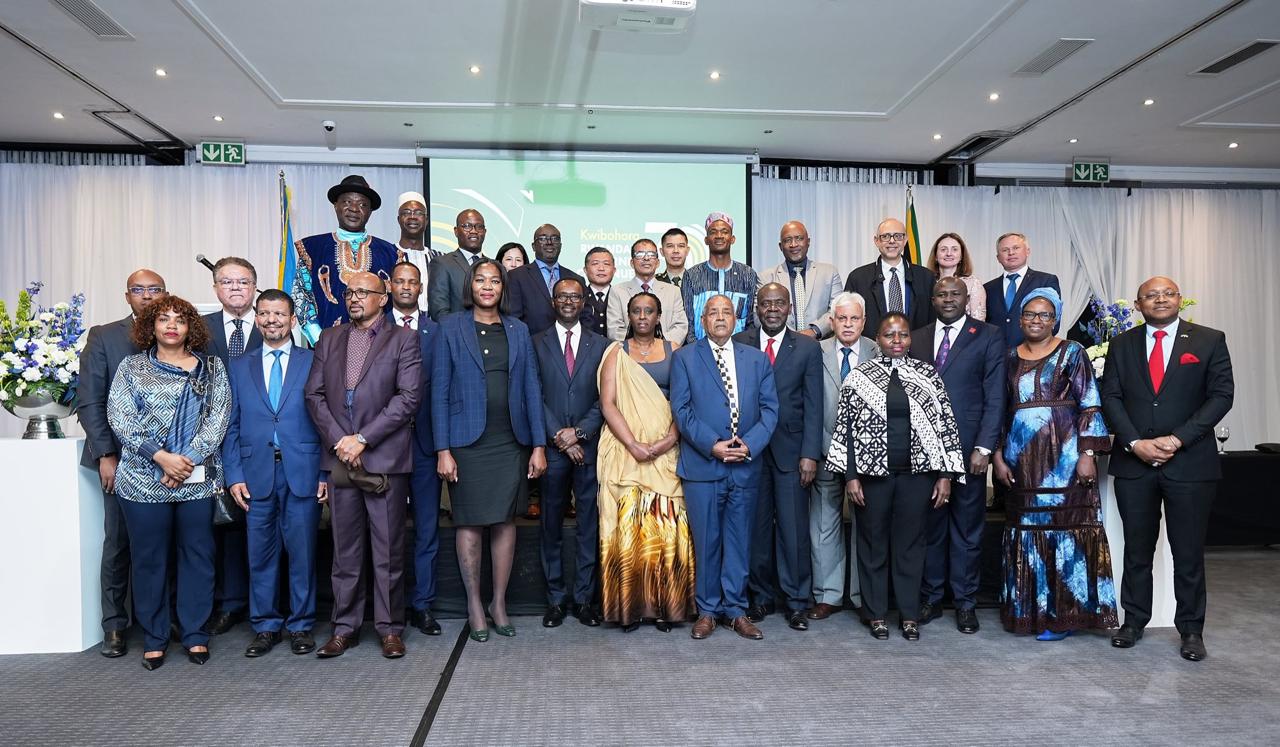
The commemoration featured a signing of the Book of Remembrance, a symbolic act demonstrating a collective pledge to the principle of 'never again'. A photography session captured the unity and commitment of those present.
As the High Commission concluded the event, it expressed profound thanks to all participants and attendees for their presence and support. It reiterated the importance of education, remembrance, and continued collaboration to build a future where humanity and dignity prevail.
Watch the Commemoration Proceedings here
Topics
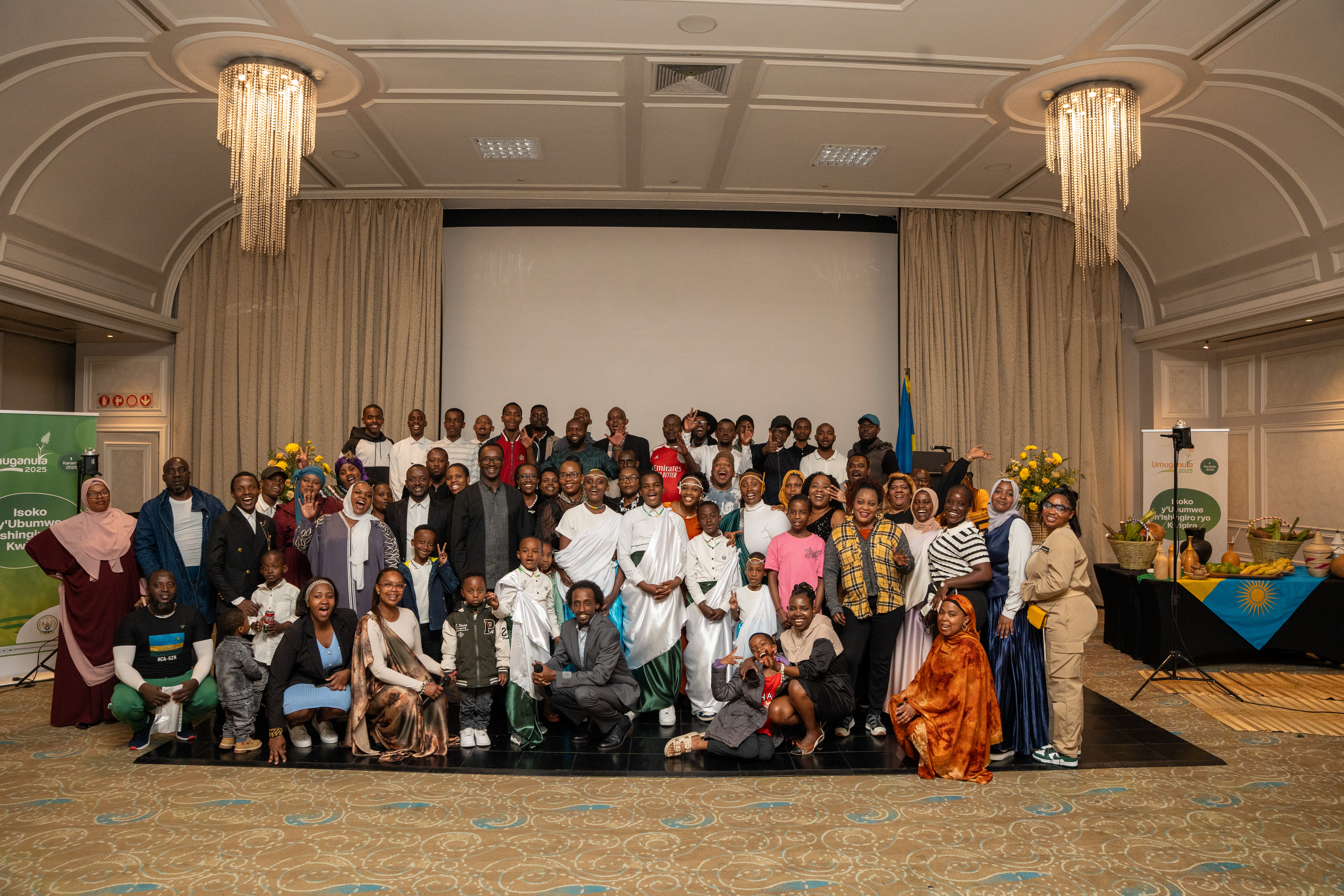
Umuganura 2025
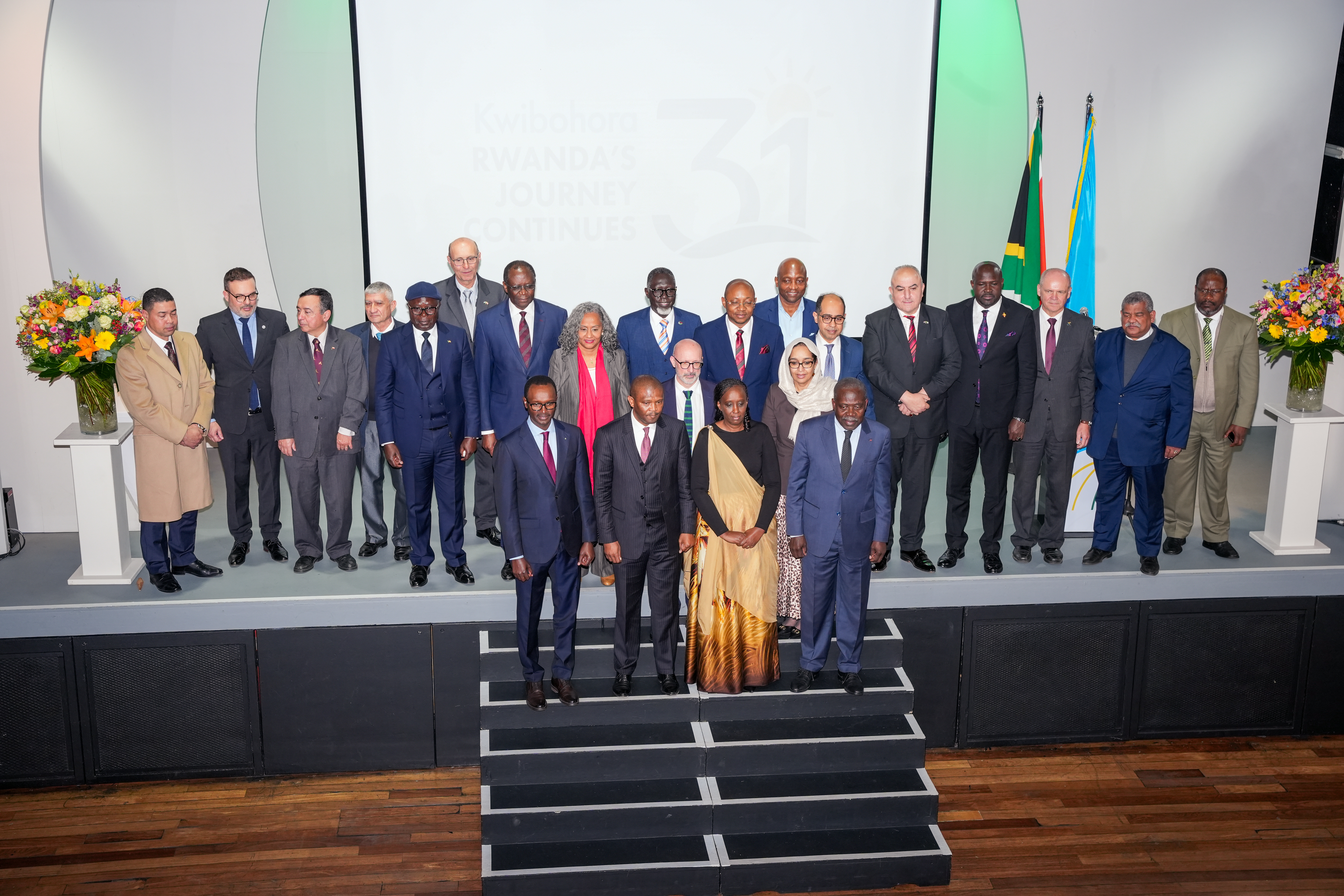
KWIBOHORA 31

Rwanda High Commission Hosts Inaugural “Visit Rwanda” Golf Day in South Africa
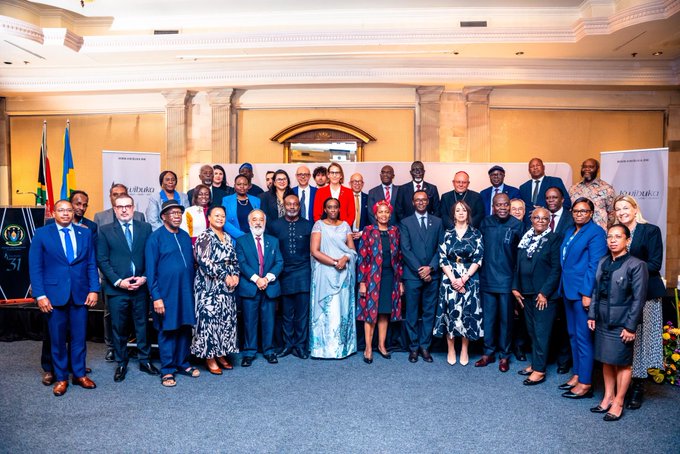
Kwibuka31 Commemoration Held in Pretoria: Honoring the Past, Committing to the Future

Rwanda Reinforces MICE Positioning at Meetings Africa 2025
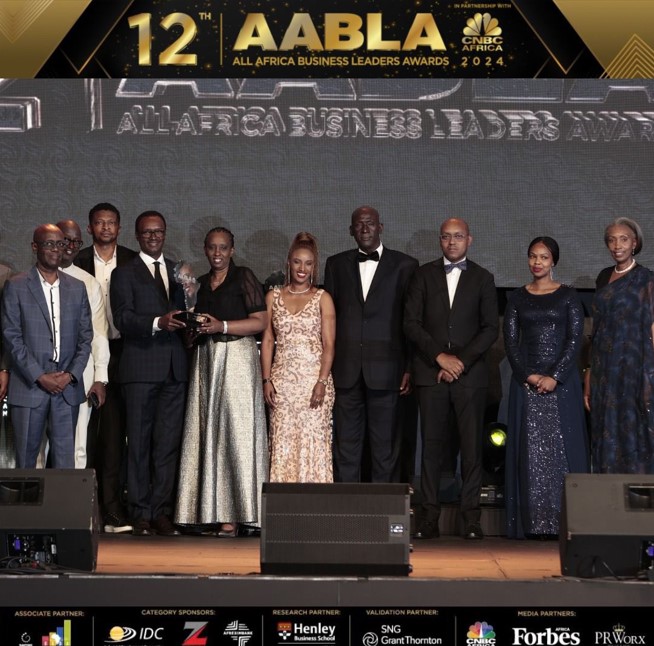
President Paul Kagame receives "African of the Year" Award
Invest in Rwanda Roundtable and Cocktail
KWIBOHORA30