Thirty Years Later: The Enduring Lessons of Kwibuka
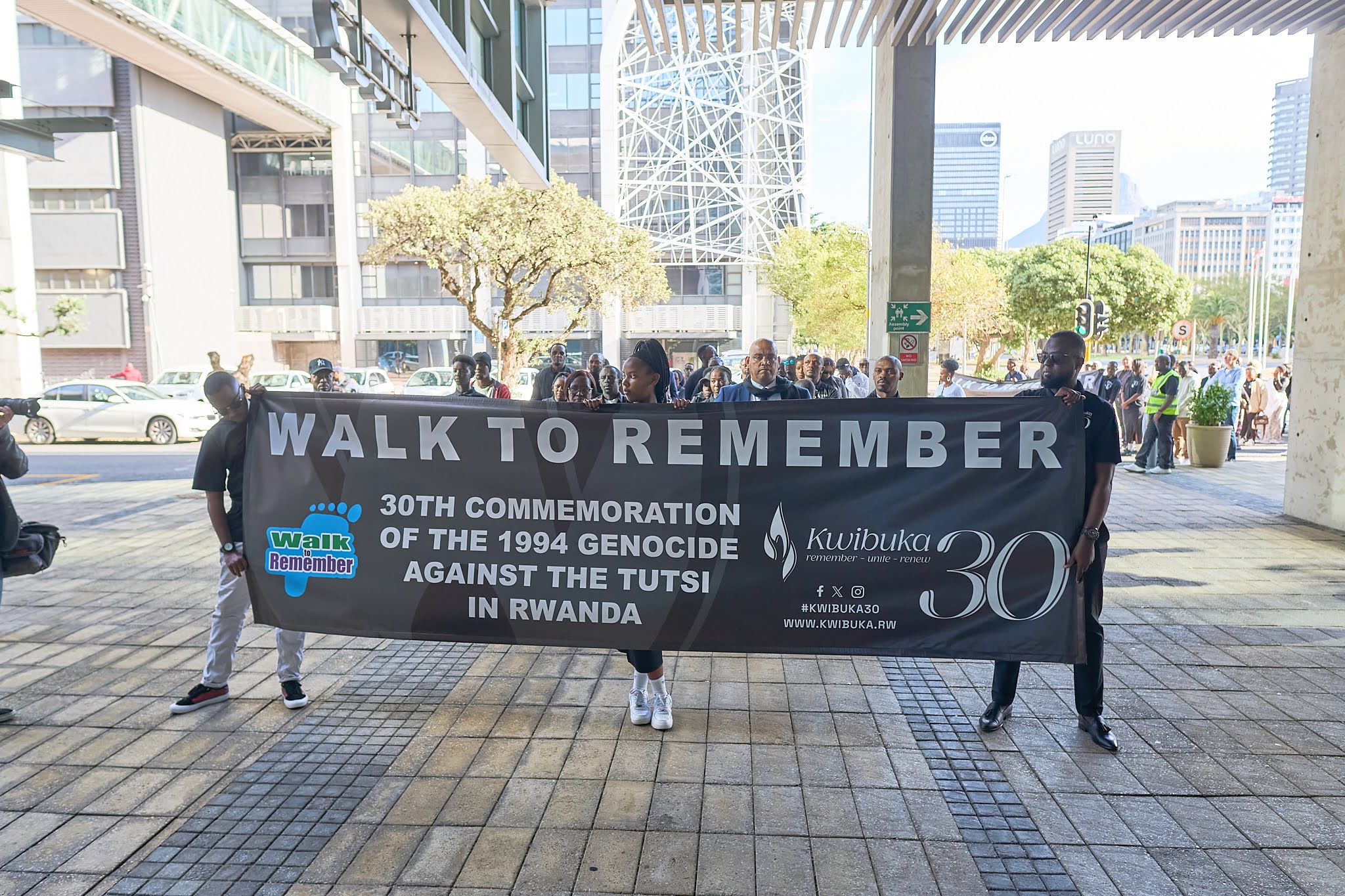
As the sun set over Cape Town this past May 5th, the city marked a somber milestone: the 30th anniversary of the 1994 Genocide against the Tutsi in Rwanda. Hosted by the Rwanda High Commission in South Africa, in collaboration with the Rwandan Diaspora Community, Kwibuka30 was not just a ceremony of remembrance but a reaffirmation of a global commitment to peace and understanding that transcends borders.
The term "Kwibuka," meaning "to remember" in Kinyarwanda, carries a profound significance that extends beyond the act of memorializing the more than one million lives tragically lost in 1994. It is a call to the world to reflect on the dark potential of human hatred as much as it is a reminder of the resilience and unity that can emerge from the ashes of despair.
The presence of local leaders such as the Executive Deputy Mayor of the City of Cape Town, Alderman Eddie Andrews, alongside international figures like Mr. Dirk Kotze, the Executive Mayor of Mossel Bay, and Mr. Jaco Londt, MP of Mossel Bay, underscores a powerful local and international solidarity. Their participation alongside Rwanda’s High Commissioner to South Africa, H.E. Emmanuel Hategeka, symbolizes a shared dedication to ensuring such atrocities are never repeated.
In his address, High Commissioner Hategeka spoke not only of remembrance but also of the transformation within Rwanda – a testament to what can be achieved when a nation unitedly pursues reconciliation and renewal. Rwanda today is a beacon of hope, demonstrating that out of a history marred by unimaginable violence, a new narrative of progress and resilience can indeed be authored.
The Walk to Remember is an important act that reconnects us to the ones we lost reminding us of the harrowing journeys they endured to their places of extermination. The March through Cape Town is a literal and figurative journey of reflection and commitment, taken by hundreds from the Cape Town Civic Centre to the International Convention Centre. Such acts of solidarity, mirroring similar walks across the globe, stitch a fabric of collective memory and responsibility that binds us all.
Yet, while Kwibuka serves as a crucial exercise in collective memory, it should also function as a clarion call for current and future generations. The genocide in Rwanda unfolded in the broader public eye, with international systems failing to intervene. Today, amidst global conflicts and rising ethnic tensions, the lessons of Kwibuka are more pertinent than ever. It is a reminder that vigilance, education, and a proactive stand against hatred are not optional but essential.
Dr. Fredrick Ikechukwu Edward Nico, a friend of Rwanda, reminded us in his poignant speech that remembering is insufficient without actionable commitment to peace. He called for everyone, especially the youth, to become ambassadors for peace and progress, to carry forward the lessons learned from Rwanda's dark past to safeguard a brighter future.
Kwibuka30, therefore, is more than a commemorative event; it is a rallying point for peace and an educational platform that urges us to remember, unite, and renew not just our thoughts but our actions towards each other. Let this be the legacy of Kwibuka: that memory becomes the foundation for a world fiercely protective of its peace and keenly aware of its humanity.
As we reflect on the impact of such commemorations, it's crucial to consider their role not just in remembrance, but in shaping policy and human relations. Each year, as the stories of survivors and the lessons of the past are retold, they renew our collective responsibility to prevent future genocides. The global community must not only recall the atrocities but must act decisively to prevent similar future events. Kwibuka is a stark reminder that our humanity binds us; we share the grief, the lessons, and the responsibility.
In conclusion, the 30th anniversary of the Genocide against the Tutsi, as commemorated through Kwibuka30, invites us to look back with solemnity but also forward with resolve. It challenges us to bridge divides, to foster dialogue and to strengthen international mechanisms for peace and justice. As we commemorate, let us also commit to a future where such events are relics of the past, not threats of the future. Memory must lead to action—this is the path to true honor and lasting peace.
Topics
Umuganura 2025
KWIBOHORA 31

Rwanda High Commission Hosts Inaugural “Visit Rwanda” Golf Day in South Africa
Kwibuka31 Commemoration Held in Pretoria: Honoring the Past, Committing to the Future

Rwanda Reinforces MICE Positioning at Meetings Africa 2025
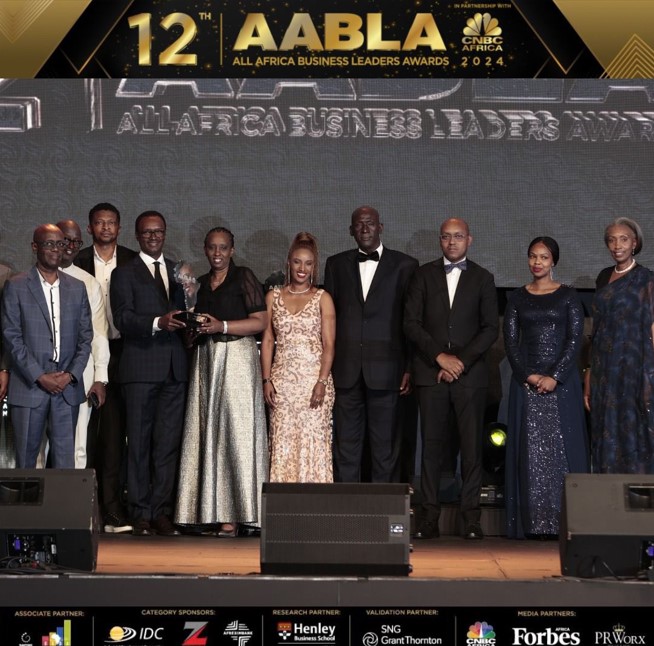
President Paul Kagame receives "African of the Year" Award
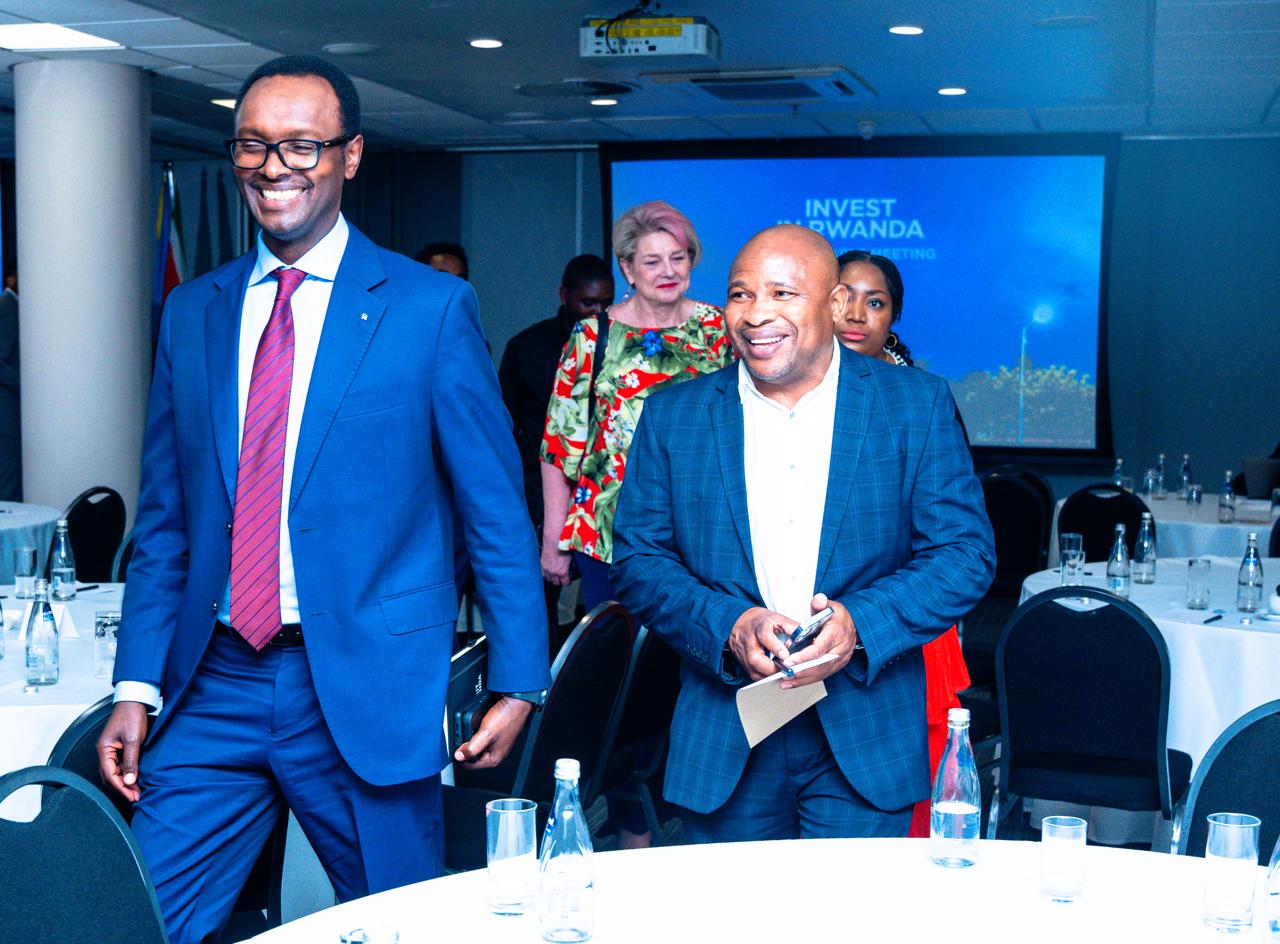
Invest in Rwanda Roundtable and Cocktail
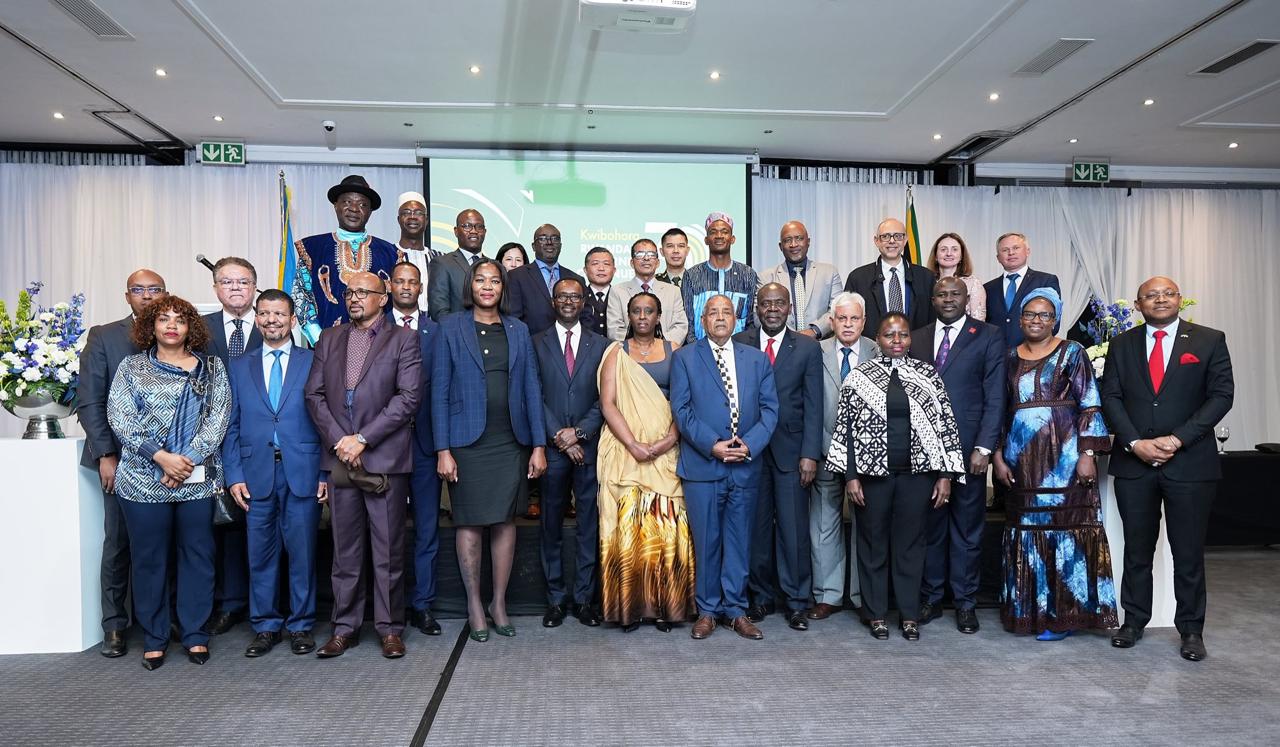
KWIBOHORA30